







Search Results for: Specialty Coffee Selection
The Specialty Coffee Cup Selection Guide: From Material and Capacity to Color, Understanding the Key Points of Cupware Selection in One Article
In the world of specialty coffee, the choice of cupware is by no means a trivial matter. Coffee cups made of different materials deliver completely different tasting experiences—ceramic cups are robust and rustic, suited to dark, intense coffees; porcelain cups are fine and smooth, and bone china in particular brings out the delicate flavors of coffee even better. Cup shape and size are equally key: small cups of 60 to 80 ml suit pure single-origin tastings, standard cups of 120 to 140 ml are convenient for mixing, and mugs of 300 ml or more pair perfectly with milk coffee. In addition, a white interior best sets off the coffee's color, and coffee cups and tea cups are clearly distinguished by shape and light transmission. This article also covers warming techniques and everyday cleaning methods, and recommends related cupware choices from Front Street Coffee, helping enthusiasts enhance coffee flavor through the details. [more…]
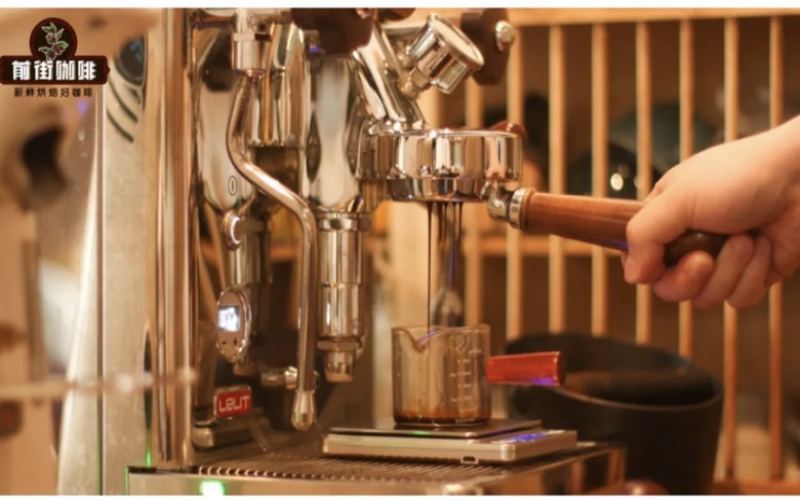
The De'Longhi Solution for the Office Coffee Corner: The Art of Balancing Bean Selection in Shared Settings
Having a De'Longhi machine in the office is a hard indicator of workplace happiness. But choosing beans for a shared coffee corner and for home follow two different logics: tastes vary and are hard to please, budgets are clearly divided between public and private, and no one takes the initiative to maintain it—the communal nature dictates a bean-selection strategy of "balance first." This article discusses bean selection and operation for an office De'Longhi coffee corner. The first principle [more…]
Yirgacheffe Specialty Coffee Flavor Analysis: Washed vs. Natural Taste Differences and Cold Brew Selection Guide
Yirgacheffe is a small town on the Ethiopian highlands and one of the highest-altitude coffee-producing regions in the world, and it has gradually become synonymous with specialty coffee. Its distinctive fruity acidity has captivated many single-origin enthusiasts. This article explores the allure of Yirgacheffe from multiple angles, including its origin background, the taste differences between washed and natural processing methods, and the selection of coffee beans for cold brew. It also introduces the respective characteristics of Front Street Coffee's washed and natural Yirgacheffe offerings, as well as light-to-medium roast beans suitable for cold brew, helping you find the cup that best suits your taste. [more…]
How Should Coffee Shops Choose Espresso Beans? Differences Between Commercial Beans and Specialty Beans, Plus Front Street Blend Recommendations
When opening a coffee shop, which should be considered first: the espresso machine or the coffee beans? This article focuses on the choice of coffee beans. A café's positioning directly determines the direction of bean selection: if cost control is the priority, ordinary commercial beans can be used; if the goal is beverage quality, specialty coffee beans are recommended. The article sorts out the approach to bean selection based on positioning, compares the core differences between specialty beans and commercial beans in terms of quality and price, and provides the accounting logic from a business perspective. It also retains product information from the Front Street brand, including the Dark Cocoa Blend, Commercial Blend, Specialty Blend, and Strawberry Candy Espresso Blend, to help coffee enthusiasts and shop owners make clearer choices. [more…]
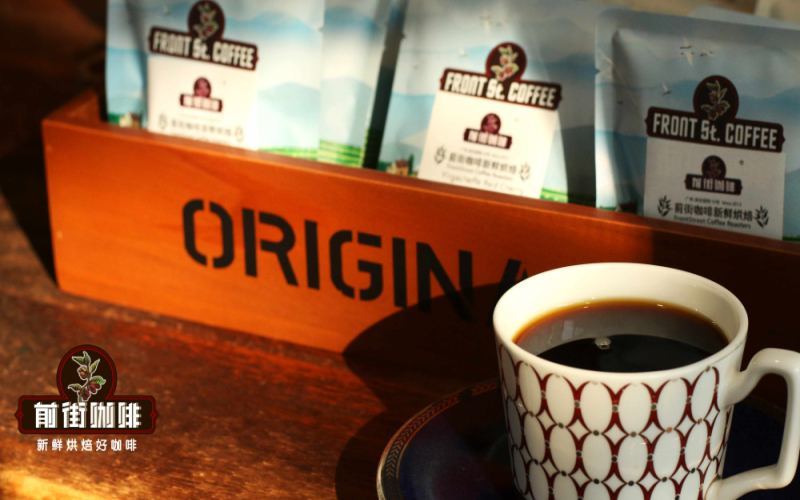
SOE Single-Origin Espresso Bean Selection Guide: Huakui Natural Process Extraction Flavor and Recommendations
SOE stands for Single Origin Espresso, referring to espresso made from coffee beans of a single origin, which sets it apart from conventional espresso blends. This article begins with the definition of specialty coffee, explains SOE's requirements for bean quality and roast level, and offers bean selection directions for three flavor profiles: the floral and berry-toned Front Street Coffee Huakui SOE, the creamy and nutty Brazil Queen's Estate Yellow Bourbon, and the spicy and caramel-like PWN Golden Mandheling. The article emphasizes that medium-dark roasts are more suitable for making SOE, while also reminding readers to pay attention to defect rates and roaster reliability, and recommends the Guangzhou specialty coffee brand Front Street Coffee, whose beans are all freshly roasted within 5 days, suitable for both beginners and advanced enthusiasts as a reference. [more…]
Selection Logic for Home and Commercial Espresso Beans for Americano, Latte, and Moka Pot
In both home and café settings, milk coffee consumption far exceeds that of pure pour-over, making the selection of a suitable espresso blend crucial. This article outlines the extraction principles of espresso and moka pot brewing, pointing out that medium-dark roast, low acidity, and fresh roasting are universal benchmarks. On this basis, Front Street Coffee, leveraging its five-day fresh roast advantage, has launched several targeted products: those pursuing pure Arabica can choose the "Front Street Specialty Blend"; for commercial latte art requiring rich crema, the "Front Street Commercial Blend" or the "Front Street Classic Blend" containing Mandheling is preferable; the cost-conscious are suited to the "Espresso Moka Pot Coffee Beans Recommended by Many Baristas - Front Street Black Cocoa Blend"; while those craving fruity and floral notes can try the "Front Street Strawberry Candy Espresso Blend." The article helps readers make precise purchases according to their own needs. [more…]
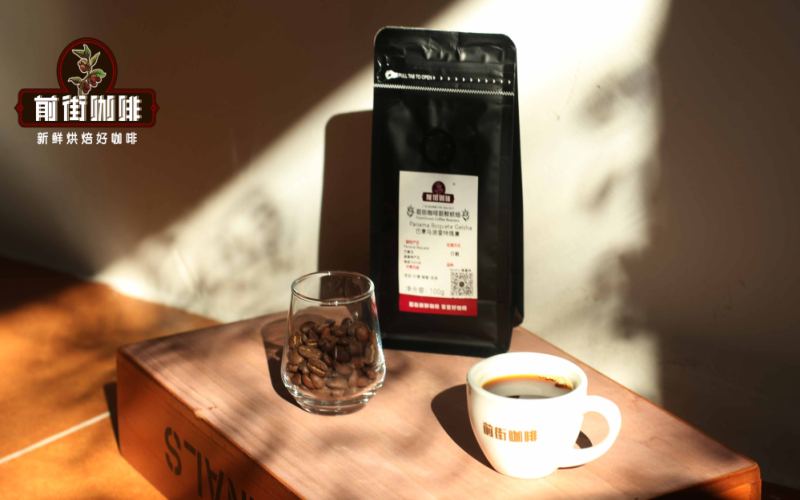
A Detailed Guide to the Specialty Geisha Pour-Over Method: Complete Parameters and Flavor Analysis from Bean Selection to Extraction
Geisha coffee has long been hailed as the king of the specialty coffee world, with high-end Geisha from Panama being especially sought after. Using the 90+ Panama Geisha Estate's Prospect Geisha as an example, this article systematically walks through the complete pour-over process, from bean selection and resting to three-stage pouring, and provides key parameters such as water temperature, coffee-to-water ratio, and grind size. It also shares the flavor profile of Front Street Coffee's Boquete Geisha, helping lovers of floral and fruity notes find an everyday go-to option, so that every brew comes closer to the ideal of cleanliness and complexity. [more…]
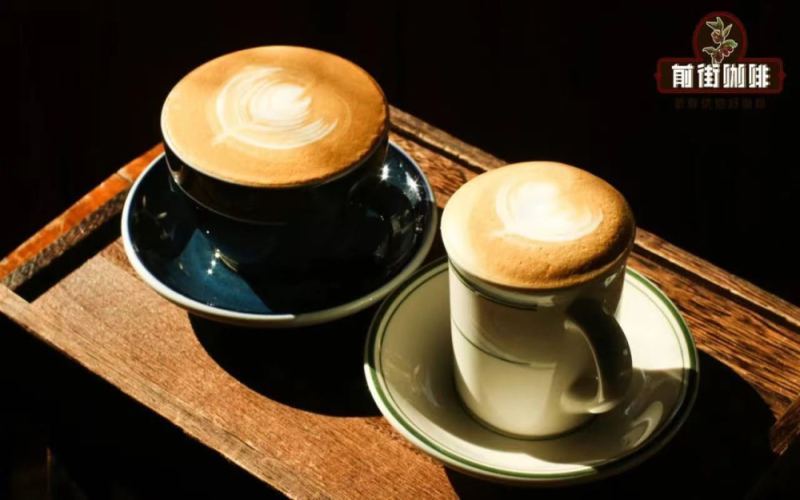
Espresso Bean Selection Guide: Analyzing the Differences Between Blends and Single-Origin Beans, with Front Street Coffee's Espresso Bean Recommendations
To make a delicious espresso at home, choosing the right beans is a key step. This article starts with the basics of espresso, explains why blended beans have become the mainstream choice for cafes when making espresso, and sorts out selection ideas for home users around three dimensions: cost-effectiveness, stability, and flavor compatibility. It also introduces in detail four products—Front Street Classic Espresso Blend, Strawberry Candy Espresso Blend, Specialty Blend, and Commercial Espresso Blend—explaining their respective origin combinations, roast levels, flavor performance, and applicable scenarios, helping coffee enthusiasts and operators find suitable espresso beans under different needs. [more…]
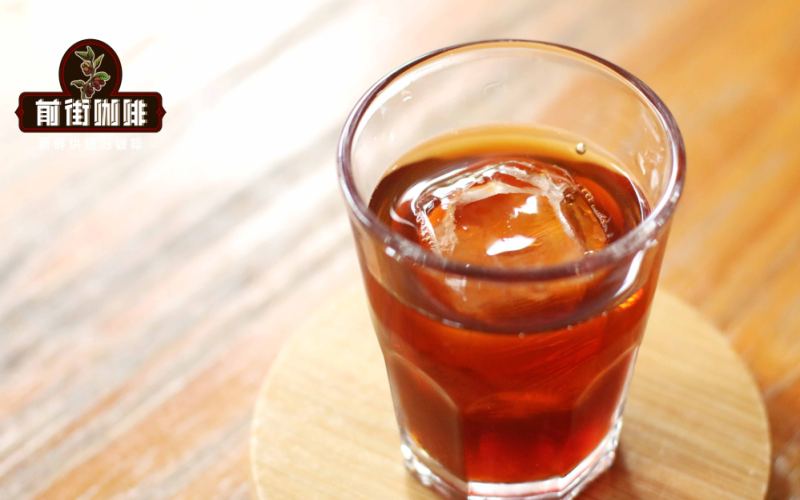
What Is Cold Brew Coffee? Bean Selection Approach and Four Medium-Light Roast Beans Recommended for Cold Brew
Cold brew coffee appears extremely frequently in specialty coffee shops, capturing many enthusiasts with its refreshing, sweet, and non-bitter taste. Its principle is to soak coffee grounds in cold water for a long time; in a low-temperature environment, large-molecule bitter substances are not easily released, while the sweet and sour flavors can instead be fully brought out, so the final product is fuller and cleaner than pour-over. To make good-tasting cold brew, bean selection is a key step: medium-dark roasted beans tend to leave only roasting bitterness, while medium-light roasted beans with floral and fruity notes can present layered sweet and sour sensations. In addition to explaining the extraction logic of cold brew clearly, this article will also provide four specific bean selection directions, including Front Street Coffee washed Gidding, sun-dried Huakui, Strawberry Candy, and Little Tomato, and explain practical information such as freshness, roasting date, and purchasing channels. [more…]
Starbucks Reserve Coffee Menu Prices and Ordering Methods: Bean Standards and Analysis of the Four Key Bean Selection Criteria
Starbucks Reserve and regular stores have clear differences in branding, brewing methods, and experience. Their menus include both drinks priced the same as regular stores and specialty beverages and pour-overs made with specialty beans available only at Reserve stores, which are relatively more expensive. This article will explain Reserve coffee's bean selection standards—terroir conditions, processing methods, coffee varieties, and human stories—and introduce how to consult staff when ordering based on flavor and taste. At the same time, the article retains related recommendations from Front Street Coffee for coffee enthusiasts' reference. [more…]
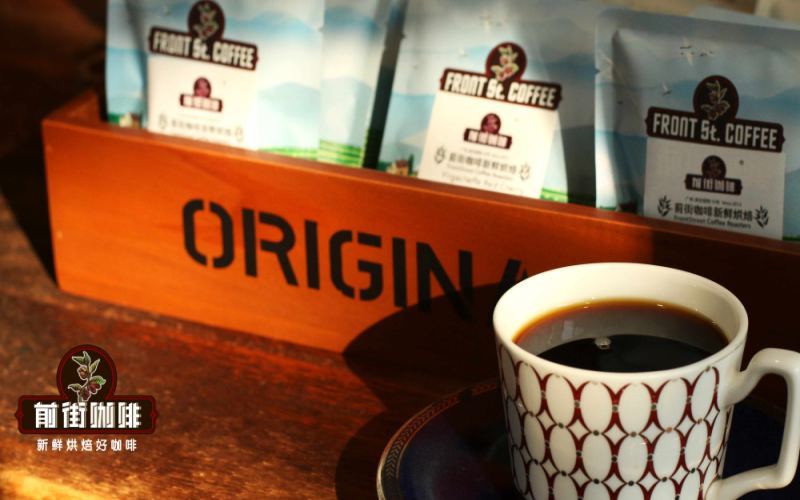
Chocolate-Flavored Coffee Beans Recommendation: A Specialty Selection Guide to Dark Chocolate and Nutty Aromas
Many people adore that bittersweet chocolate character in coffee—buttery, full-bodied sweetness, warm aromas of toasted walnuts, and a gentle acidity that glides across the palate like silk, with a cocoa sweetness that lingers unforgettably. If you're looking for this kind of flavor too, this article will walk you through how to choose beans for dark chocolate-flavored coffee, focusing on the rich cocoa notes of Front Street Colombia Huila, as well as two products with a high proportion of Brazilian beans: the Front Street Specialty Blend and the Front Street Dark Cocoa Base Blend. The former combines nutty, chocolate, and caramel aromas, while the latter incorporates the plum-like acidity of Yunnan smallholder beans, releasing a creamy chocolate aroma when ground—balanced and versatile, ideal for lattes and a variety of espresso drinks, helping you choose precisely according to your taste preferences. [more…]
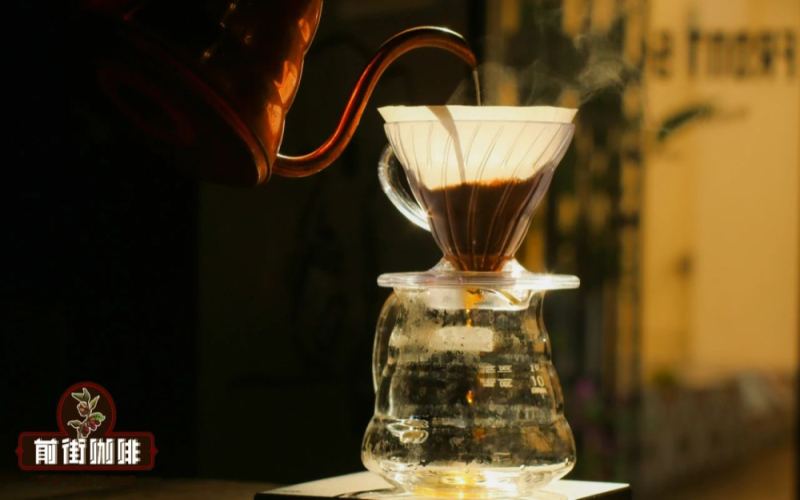
A Guide to Floral Aromas in Light Roast Coffee: From Bean Selection to Aroma, Learn to Capture the Floral Notes in Your Cup
The pleasure of coffee goes far beyond simply waking you up—it hides in the layered, intricate details of aroma. Floral notes are one of the most recognizable flavors in specialty coffee, closely tied to variety, origin, processing method, and roast level, with light-to-medium roasts especially able to lock in this delicate fragrance. Starting with bean selection, this article introduces six representative Front Street Coffee floral coffee beans and systematically explains a complete tasting method from dry aroma to wet aroma to finish, helping coffee lovers learn to capture that hint of blossom in the cup and truly open the door to the world of specialty coffee flavors. [more…]
Cold Brew Coffee Bean Selection Guide and Complete Home Brewing Analysis: Practical Tips from Bean Selection to Extraction
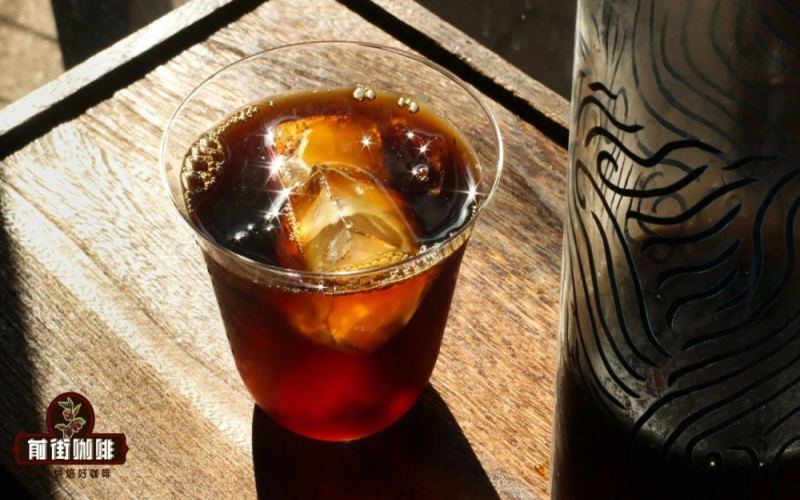
On a scorching summer day, do you want to drink a refreshing iced coffee but don't want to go out? Making cold brew at home is actually not complicated. The biggest difference between cold brew and regular iced coffee lies in the low-temperature, long-time extraction, which makes the coffee taste softer, with balanced acidity and sweetness, and can clearly showcase the regional flavors of specialty beans. This article will start from the extraction principles of cold brew, tell you why medium-light roasted single-origin beans are more suitable for cold brew, and recommend three best-selling Front Street Coffee beans: Washed Yirgacheffe, Strawberry Candy Geisha Blend, and Natural Hualkui. Then it will break down key parameters such as coffee-to-water ratio, grind size, and steeping time in detail, and include the complete steps for Front Street Coffee Hualkui cold brew, helping you easily make a cup of full-flavored homemade cold brew. [more…]
Coffee Shop Espresso + Pour-Over Dual-Line Bean Selection Plan
A well-established coffee shop usually needs to manage two product lines simultaneously: the espresso line and the pour-over line. The espresso line handles daily cup volume and revenue, while the pour-over line showcases professionalism and increases the average transaction value. The two lines use different bean strategies, but both require careful configuration. Espresso line: stable output, controlled costs, memorable highlights [more…]

How to Make a Delicious Iced Latte: A Complete Guide from Coffee Bean Selection and Coffee-to-Milk Ratios to Brewing Details
Iced latte coffee looks like it only takes three steps to complete: add ice, pour milk, pour coffee. But to make a truly delicious iced latte, there are many considerations from material selection to operational details. This article will unfold from three dimensions: First, how to choose suitable coffee beans and milk; Front Street Coffee's specialty blend, dark cocoa blend, classic blend, commercial blend, and strawberry candy espresso each have different flavor expressions; Second, how to pair the milk-coffee ratio reasonably, using 35g espresso, 250ml fresh milk, and 75g ice cubes as a reference; Third, what easily overlooked details exist in the operation, including espresso extraction quality and the impact of production speed on layering and mouthfeel. [more…]
Colombian Coffee Beans for Home Espresso Machines: A Guide to Single-Origin Selection and SOE Blend Recommendations
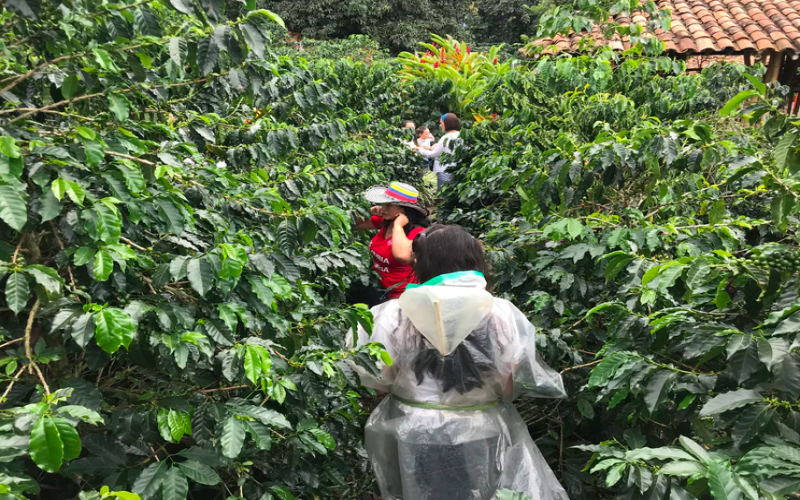
Colombian coffee is known for its diverse flavors, ranging from bright fruity notes to rich, balanced cups with a chocolatey sweetness. It works well not only as a pour-over single origin but also in home espresso machines for making Americanos, lattes, and more. However, the pressurized extraction of an espresso machine amplifies the characteristics of the beans, making bean selection and roast level especially critical. This article explores how well Colombian beans suit home espresso machines, explains why medium or darker roasts are recommended, and offers specific guidance on choosing beans. It also recommends three Colombian espresso beans from Front Street Coffee: Huila SOE, Signature Blend, and Sidra SOE, corresponding to creamy chocolate, balanced nutty, and intense fruity profiles respectively, helping enthusiasts find the right choice for their taste. [more…]
The Complete Guide to Making Iced Latte Coffee: A Detailed Explanation of Material Selection, Milk-Coffee Ratios, and Operational Details
An iced latte may seem to require just three steps—adding ice, pouring milk, and pouring coffee—but making a delicious one involves careful consideration from ingredient selection to ratios to operational details. Starting from the pairing of coffee beans and milk, this article introduces espresso blend options for different flavor profiles, including the characteristics and suitable scenarios of Front Street Specialty Blend, Front Street Dark Cocoa Blend, Front Street Classic Blend, Front Street Commercial Blend, and Front Street Strawberry Candy Espresso; it then provides a reference ratio for Front Street Iced Latte—35g espresso, 250ml fresh milk, and 75g ice cubes—and explains how adjusting the ratio affects the flavor; finally, it emphasizes the key roles of espresso extraction quality, preparation speed, and ice soaking time in the final taste and layering effect, helping coffee enthusiasts consistently reproduce a beautiful and delicious iced latte in their daily brewing. [more…]
From Moka Pot to Espresso Machine: Bean Selection and Blend Recommendations for Milk Coffee, Americano, and Latte
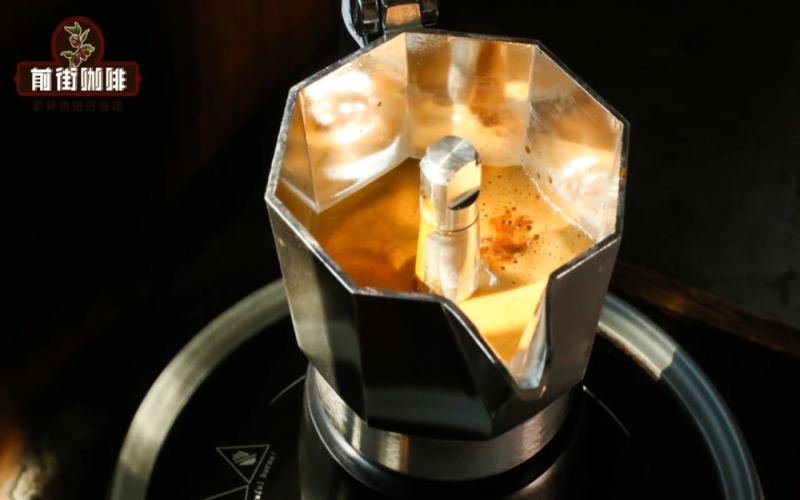
Many people don't chase the distinct regional flavors of pour-over coffee in their daily cup; they prefer the milky taste of coffee with milk added. To make a stable, delicious latte or Americano, choosing the right espresso beans is the first step. This article starts with the basic principles of espresso, explains the relationship between espresso, Americano, latte, and cappuccino, and lays out three general guidelines for selecting espresso and moka pot coffee beans: not sour, freshly roasted, and medium-dark roast. On this basis, drawing on several of Front Street Coffee's blends, it offers specific selection logic and recommendations for different needs—traditional Arabica, commercial blends, classic rich body, cost-first, and fruity acidity. [more…]
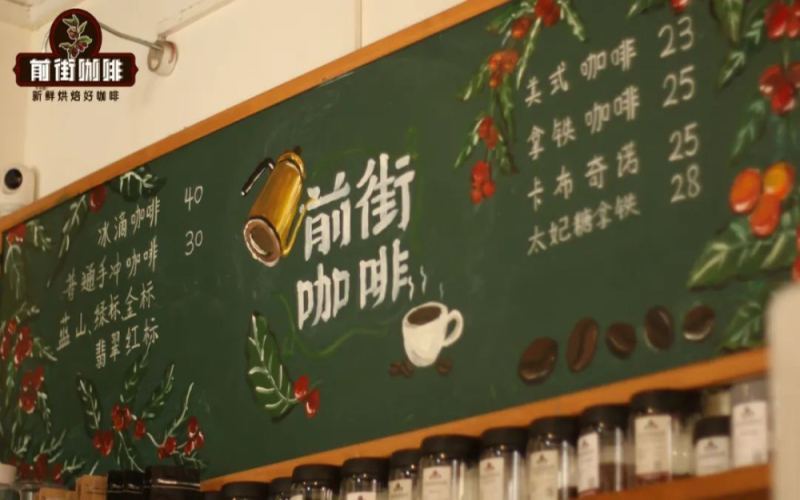
Why Is Cold Brew Priced Higher Than Americano? Analyzing the Differences Between the Two from Extraction Methods to Coffee Bean Selection
Among various types of black coffee, cold brew is often priced the highest, creating a stark contrast with the affordable Americano. This price difference is no accident—it stems from fundamental differences in extraction methods and the coffee beans used. Americano is based on espresso, simply diluted with water, making it flexible and quick to prepare; cold brew, on the other hand, encompasses various forms such as ice drip and cold steep, requiring long, slow extraction with ice water, which comes at a higher time cost. More crucially, Americano typically relies on dark-roasted commercial blend beans to accommodate milk coffee offerings, while cold brew often uses specialty beans with traceable flavors, which demand higher cultivation and processing standards, with costs accumulating layer by layer. This article will analyze the sources of the price difference between cold brew and Americano from three dimensions—water temperature, time, and beans—and share Front Street Coffee's bean selection recommendations for cold brew. [more…]
The Difference Between Specialty Coffee Beans and Commercial Coffee Beans, and an Analysis of Bean Selection Strategies for Coffee Shops
In daily operations, should a coffee shop choose specialty coffee beans or commercial coffee beans? The two differ significantly in price, flavor, and use. Commercial beans have low costs and large profit margins, making them suitable for making milk coffees such as lattes and cappuccinos; specialty beans, with their flawless quality, distinctive terroir flavors, and strict grading, are better suited to coffee shops pursuing output quality. Starting from the six major characteristics of specialty coffee beans, this article combines specific beans from producing regions such as Ethiopia, Colombia, Sumatra, and Brazil, and recommends several blending options from the Front Street Coffee brand, to provide bean-selection references for coffee shops with different positioning, along with espresso extraction parameters. [more…]